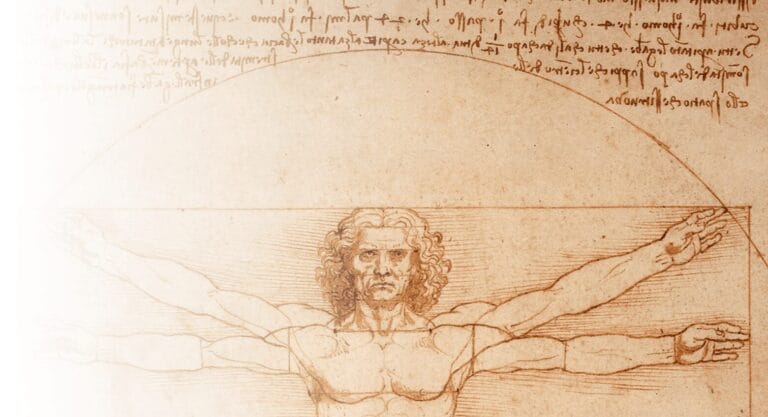
Tag: Disaster Code
-
Doctor in exile
Constance MarkeyChicago, Illinois, United States In August of 1935, a handcuffed Dr. Carlo Levi, (1902-1975), author of Cristo si è fermato a Eboli, (Christ Stopped at Eboli) arrived in the miserable southern Italian village of Gagliano (actually, Aliano).1 He knew why he was there. Indeed,… Read more
-
On suffering and its depiction in William Carlos Williams’s “The Yellow Flower”
Negin RezaeiTehran, Iran Eric Cassell observed that physical pain and suffering are two distinct experiences and that pain is only one of the infinite number of sources that may cause suffering in human beings. Doctors, he believes, need to understand this distinction if they are… Read more
-
Arthur Bispo do Rosário: Creation in psychosis
Rebecca Grossman-KahnMinneapolis, Minnesota, United States In a sprawling, cavernous art museum in Buenos Aires, I turned a corner and my eye caught on what appeared to be, from across the room, cardboard. As I walked closer to the display, I saw a large brown rectangle… Read more
-
The use of force in medicine
Angad TiwariIndiaMallika KhuranaJapan William Carlos Williams (1883-1963), regarded as “the most important literary doctor since Chekhov,” was an American Pulitzer prize-winning writer and poet who stands amongst the few full-time practicing physicians to have achieved literary distinction.1 He regarded art and medicine as “two parts… Read more
-
Abhay Sadhak (fearless seeker): Baba Amte
Utkarsh G. HingmireNagpur, India Murlidhar Devidas Amte, affectionately known as Baba Amte, was a lawyer who left his lucrative legal career to devote his life to the treatment of patients suffering from leprosy.1 If one was to describe his life in a few sentences it… Read more
-
Medical tourism
Kozlova LiudmylaMykolaiv, Ukraine Medical tourism is a highly profitable industry that offers a range of medical procedures, highly specialized medical services, and tourism opportunities. It combines travel for health and medical services with recreational tourism. While on the one hand, medical tourism may reduce the… Read more
-
The Lewis and Clark Expedition: Medical ethics in uncharted territory
David BlitzerNew York, New York, United StatesAlvise GuarientoToronto, Ontario, CanadaRobert M. SadeCharleston, South Carolina, United States In 1803, Meriwether Lewis and William Clark, with the backing of President Jefferson and the federal government of the newly created United States, set out to find the coveted… Read more
-
Alexis Carrel: The sunshine and the shadow
Philip R. LiebsonChicago, Illinois, United States Dr. Alexis Carrel (1873-1944) was as complex as his glass perfusion pump apparatus. A brilliant research surgeon, he won the Nobel Prize in Medicine before his fortieth birthday for his work on vascular suture and the transplantation of blood… Read more
-
Between Vesalius and the CAT scan
Howard FischerUppsala, Sweden Scribe: noun. A person who copies documents, especially a person who made handwritten copies before the invention of printing.— Dictionary.com The first reliable anatomic drawings based on human dissections may have been those of Leonardo Da Vinci (1452–1519). Later, Andreas Vesalius (1514–1564), born… Read more