
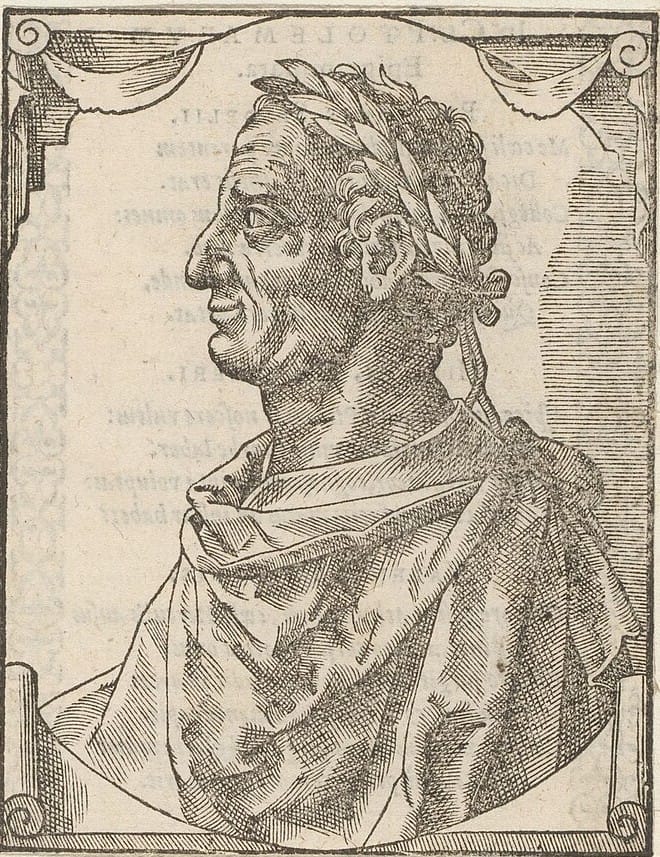
The death of Marcus Tullius Cicero marked the end of one of the most brilliant careers in the history of the Roman Republic. Cicero was not only a statesman and lawyer but also a philosopher, writer, and defender of republican government. His assassination in 43 BCE symbolized the collapse of the Roman Republic and the triumph of violent politics over law and civic virtue.
Cicero was born in 106 BCE in Arpinum, a town southeast of Rome. Through exceptional talent in oratory and law, he rose to prominence and eventually became consul in 63 BCE. During his consulship, he famously suppressed the conspiracy of Catiline, a Roman nobleman accused of plotting to overthrow the government. Cicero’s speeches against Catiline became models of political rhetoric and established his reputation as the defender of the Republic.
Throughout his life, Cicero admired the traditional republican system in which power was balanced among the Senate, magistrates, and citizens. However, Rome in the first century BCE was becoming increasingly dominated by ambitious military leaders such as Julius Caesar, Pompey, and Mark Antony. Cicero feared that these men threatened republican liberty by concentrating power in their own hands.
After Caesar defeated Pompey in the civil war and became dictator, Cicero withdrew somewhat from active politics and devoted himself to philosophy and writing. During this period, he composed many works on ethics, religion, friendship, and government, introducing Greek philosophical ideas to Roman readers. His writings later influenced Renaissance humanism and modern political thought.
The turning point came in 44 BCE when Caesar was assassinated by senators who hoped to restore the Republic. Cicero was not directly involved, but he welcomed Caesar’s death as an opportunity to revive republican government. Soon afterward, however, a new struggle for power erupted. Mark Antony sought control of Rome, while Caesar’s adopted heir, the young Augustus, then known as Octavian, emerged as a rival.
Cicero strongly opposed Antony. In a series of speeches called the Philippics and modeled on Demosthenes’, he denounced Antony as a tyrant and an enemy of the state. Cicero hoped that Octavian would defend the Republic against Antony, but he underestimated his ambition. Eventually, Octavian, Antony, and Lepidus formed the Second Triumvirate, a political alliance that divided Roman power among them.
To secure their control, the triumvirs initiated proscriptions, official lists of enemies condemned to death, and confiscation of property. Cicero’s name appeared prominently on the list because Antony resented the attacks made against him in the Philippics. Cicero attempted to flee Italy, but he was captured in December 43 BCE.
According to ancient historians, Cicero faced his death with tragic dignity. When soldiers approached, Cicero reportedly accepted his fate calmly and ordered his servants to stop resisting. He stretched out his neck to the executioners, demonstrating his courage and composure. After he was killed, his head and hands were cut off and displayed in the Roman Forum on the very place where he had delivered many of his greatest speeches. According to tradition, Antony’s wife Fulvia insulted the severed head by piercing the tongue with a hairpin as revenge against Cicero’s eloquence.
The death of Cicero marked the end of free political speech in Rome and the failure of republican ideals in the face of military force and personal ambition. Within a generation, Augustus established the Roman Empire, ending the Republic Cicero had struggled to preserve.
Yet Cicero’s influence survived his violent death. His speeches, letters, and philosophical works became central texts in Western education for centuries. Thinkers of the Renaissance and Enlightenment admired him as a defender of liberty and constitutional government. He failed to save the Roman Republic, but his writings preserved its ideals for future generations.