
Miguel Vassallo Palermo
Elena Sophia Hernandez
José Manuel García
Rhayniveth Sequera
Keldrin Páez
Caracas, Venezuela
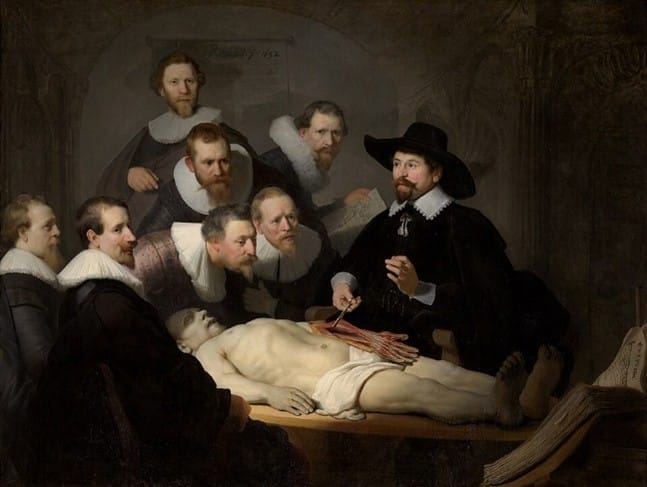
Since the dawn of humanity, humans have tried to find meaning in death. People often fear the dying process itself, what comes after death, and the unknown.1 Feelings of powerlessness lead us to surround death with beliefs, rituals, and cultural expressions. From a religious point of view, physical death is not considered to be the end, but a step towards eternal life. For example, according to Christian belief, souls are judged and sent to their eternal destination: Heaven, Hell, or, in some traditions, Purgatory.2 In the context of medicine, death is defined as the irreversible cessation of all biological functions that sustain an organism, especially the cardio-respiratory system and brain functions.
Thanatology (Thanatos = death; logos = study) is the interdisciplinary study of death and related phenomena. This discipline covers medical, psychological, social, and spiritual aspects of death and the end of life.3 Thanatology focuses specifically on the clinical field of intervention, providing emotional and psychological support to people facing death, whether their own or that of a loved one. However, little is taught about death during medical and surgical education and training.4
For surgeons, death may represent both a professional challenge and a profound emotional experience as they treat patients and support families.4,5 Surgeons must balance their desire to save lives with the reality that they cannot always do so. This can lead to feelings of frustration, sadness, or even guilt. In many healthcare institutions, too, there is little support for personnel dealing with stressful situations, such as the death of a patient.6,7 Despite this, many surgeons, still find a sense of purpose even when a patient dies, such as knowing they have helped someone die with dignity and peace. Accompanying a dying patient or their family may also lead surgeons to reflect on life, health, and the fragility of human existence.8,9
Emotionally, death can be a deeply shocking experience for surgeons, especially in the loss of a patient with whom they have established a relationship of trust and care.10 Feeling the weight of responsibility for not being able to save a patient can lead to guilt or self-criticism. Communicating bad news to families is an additional burden, especially in managing one’s own emotions while simultaneously providing support to others.2 Yet even these difficult experiences provide meaning, framing patients as whole people rather than simply bodies on an operating table.11 Ultimately, a surgeon’s attitude towards death may vary depending on personal experience, professional training, and specific circumstances. Externally, many adopt a posture of professionalism and compassion, prioritizing emotional regulation paired with empathic behavior.11 Internally, some surgeons will accept most deaths as being part of an inevitable biological process, while others may be emotionally affected by their connection with the patient and family, or think of a patient’s death as a professional failure.12,13
The information about the death given to relatives should be accurate and direct.14 When a death is unexpected,15 it may generate more intense feelings of sadness and frustration in healthcare personnel, especially when it involves young and apparently healthy individuals.16 Whether unexpected or not, a family’s initial reaction to the death of a loved one may also be intense. One must be prepared to devote time and effort to their concerns. The physician also needs support and relief in these moments,14 as well as a familiarity with hospital administrative procedures, data collection, and handling of the body, including, at times, asking questions about post-mortem examination and organ donation. The process of requesting this type of authorization from relatives may also be anxiety-provoking.15
The relationship that each individual establishes with death, including surgeons, is forged at the deepest level.17 Personal awareness, attitudes, and perspectives may be altered by time, knowledge, and experience. If surgeons are able to accept death as a part of life rather than always perceiving it to be a catastrophic outcome, they will better understand that it is part of a process of change that ensures the continuing of nature itself, even when it occurs abruptly.18 Since death will always be present in a surgeon’s work, academic training in clinical thanatology is important for communication, grief processing, and understanding death as part of the natural process of life.11
References
- Hernández Arellano F. The meaning of death. Rev Digit Univ. August 10, 2006;7(8). Accessed February 21, 2026.
- Noemí CJ. Life and death: a fundamental theological reflection. Teol Vida. 2007;48(1):41-55.
- Domínguez Mondragón G. Thanatology and its fields of application. Horiz Sanit. 2009;8(2):28-39.
- University of Navarra Clinic. Thanatology. In: Medical Dictionary. Pamplona: CUN; 2023. Accessed February 21, 2026.
- Aguilera Portales RE. Death as an anthropological limit: the problem of the meaning of human death. Gac Antropol. 2009;25(1). Accessed February 21, 2026.
- Carreño-Meléndez J. Clinical guide for psychological intervention in health personnel. Perinatol Reprod Hum. 2010;24(4):241-248.
- Pérez Cárdenas JC. The physician’s attitude toward death. Bioética. 2010;10(2):14-17.
- Vivas Maiques C. Experience of a Balint group during the Covid pandemic. Aten Primaria. 2021;53(10):102177.
- Rodríguez-Mora YL, Soto-Chacón O. Palliative care, a “good death,” and euthanasia: meaning for the older adult in Latin America. Salud Vida. 2025;9(17):4-12.
- Estepa Pérez JL. Essential qualities and values in the contemporary surgeon. Medisur. 2019;17(5):752-763.
- Rodríguez Sánchez A. Attitudes toward death among surgeons and internists. Rev Cub Med Mil. 2021;50(4):e02101538.
- Chaves Mendoza A. Anthropology of religion, death, and its cultural manifestations. Univ Humanística. 2004;(27):27.
- Ivankovics I, Rodríguez Vieira G, Freitas Faleiro L. Dignified death in the intensive care unit: how has it been carried out? Acta Bioeth. 2023;29(2):213-217.
- García-Torres M. Psychological well-being and burnout in health personnel during the COVID-19 pandemic. Rev Bioét Der. 2021;(52):91-107.
- Dubón Peniche MA, Bustamante Leija L. Between illness and death: “Euthanasia.” Cir Cir. 2018;86(4):384-390.
- Vallejo Ulloa N. The medicalization of death and the value of hospital conversation about a “good death” [master’s thesis]. Bogotá: Pontificia Universidad Javeriana; 2021.
- Franco Romero DC. The dark and inevitable: an approach to death in Jankélévitch [undergraduate thesis]. Bogotá: Pontificia Universidad Javeriana; 2007.
- Bayés R. Psychology of Suffering and Death. Barcelona: Martínez Roca; 2001.
MIGUEL VASSALLO PALERMO, MD, is a surgeon with a profound interest in the medical humanities. Through his essays, he explores the ethical challenges and emotional landscape of the operating room, aiming to foster a more compassionate and humanistic approach to surgical care and the end of life.
ELENA SOPHIA HERNANDEZ is a third-year resident of the General Surgery postgraduate program at the University Hospital of Caracas. Chair of Clinical and Surgical Therapeutics.
JOSE MANUEL GARCIA is a specialist in General Surgery and Oncological Surgery at the University Hospital of Caracas.
RHAYNIVETH SEQUERA is a specialist in General Surgery and Bariatric and Metabolic Surgery at the University Hospital of Caracas.
KELDRIN PAEZ is a Third-year Resident in General Surgery at the University Hospital of Caracas.