Situated high up in the Himalayas between India and China, the Kingdom of Bhutan has a population of some 780,000 people. It is notable for its traditional, rich culture and a constitution that mandates that at least 60% of its land must always remain forested.
The Bhutanese people are predominantly of Tibetan and Nepali descent. The Ngalop of the west and the Sharchop of the east form the two principal ethnic groups. The official language is Dzongkha, and its religious fabric is woven from monasteries, prayer flags, and chortens dotting the landscape at every turn. Monks enjoy high social status, and the monastic community plays a central role in education, healing, and governance.
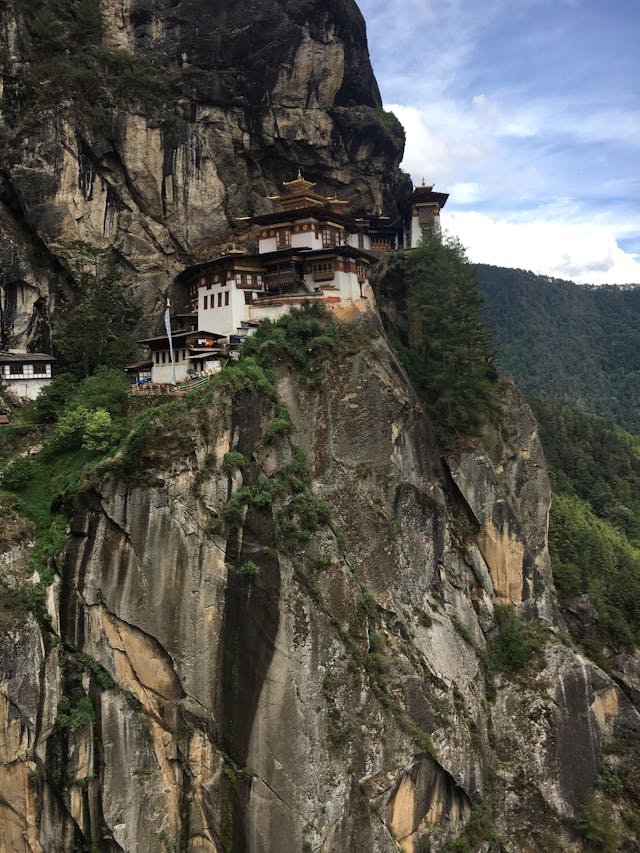
Buddhist heritage profoundly shapes Bhutan’s art, architecture, and festivals. There are annual religious festivals drawing thousands of devotees and tourists, featuring the sacred cham dance, performed by monks in elaborate costumes. An architecture of massive, whitewashed fortresses that combine administrative and religious functions defines the country’s visual identity. The Tiger’s Nest Monastery, situated 900 meters above the valley floor, is one of the world’s most visually spectacular religious sites.
One of Bhutan’s most remarkable achievements is its commitment to universal free healthcare, enshrined as a constitutional right. The government funds and operates a network of hospitals, district health centers, and basic health units that extend into the country’s remote valleys and mountain communities.
Health indicators in Bhutan have improved dramatically over the past few decades. Life expectancy has risen from around forty-five years in the 1980s to about seventy-two years today, attributed to improved maternal and child health services, vaccination programs, and access to clean water and sanitation. Infant mortality has fallen precipitously, and the country has eliminated several vaccine-preventable diseases ahead of regional targets. Maternal mortality rates, though still a concern in remote regions, have also fallen considerably.
Still, the country’s mountainous terrain creates significant challenges for healthcare delivery, with helicopter evacuations sometimes the only option for patients in remote highlands during winter months. Altitude-related illnesses, such as acute mountain sickness, high-altitude pulmonary oedema, and high-altitude cerebral oedema, present significant health concerns for both local residents and the increasing population of trekkers. The physical demands of life at altitude, combined with cold temperatures and limited dietary diversity in certain regions, have historically contributed to nutritional deficiencies, particularly of iodine, iron, and vitamin D.
Traditional Bhutanese medicine, known as Sowa Rigpa, is rooted in the same Tibetan traditions that characterizes medicine across the Himalayan plateau. It features numerous traditional medicine units attached to modern hospitals. Traditional practitioners prescribe herbal, mineral, and animal-based formulations. Treatments such as moxibustion, heat therapy, and therapeutic massage are still widely used along with modern pharmaceutical medicine.
As Bhutan modernizes, it faces the same challenges as other developing nations. The prevalence of cardiovascular disease, diabetes, and cancer is increasing, particularly in urban centers. A sedentary lifestyle, increased consumption of processed foods, and growing tobacco and alcohol use drive these trends. The government has responded with public health campaigns, tobacco control legislation, and screening in primary health services. Rapid urbanization, economic pressures, and unemployment are contributing to rising rates of depression, anxiety, and substance abuse among younger Bhutanese. The country has begun expanding mental health services through community-based programs and training primary care workers in psychological first aid.
Bhutan is a nation of profound contradictions, ancient and modern, isolated and globally engaged. Its approach to providing universal, free medicine offers lessons to a world increasingly focused on cost containment. The challenges are real and growing, yet Bhutan continues to address them in the spirit that happiness, health, and culture require a wisdom that emphasizes living well, not just long.