
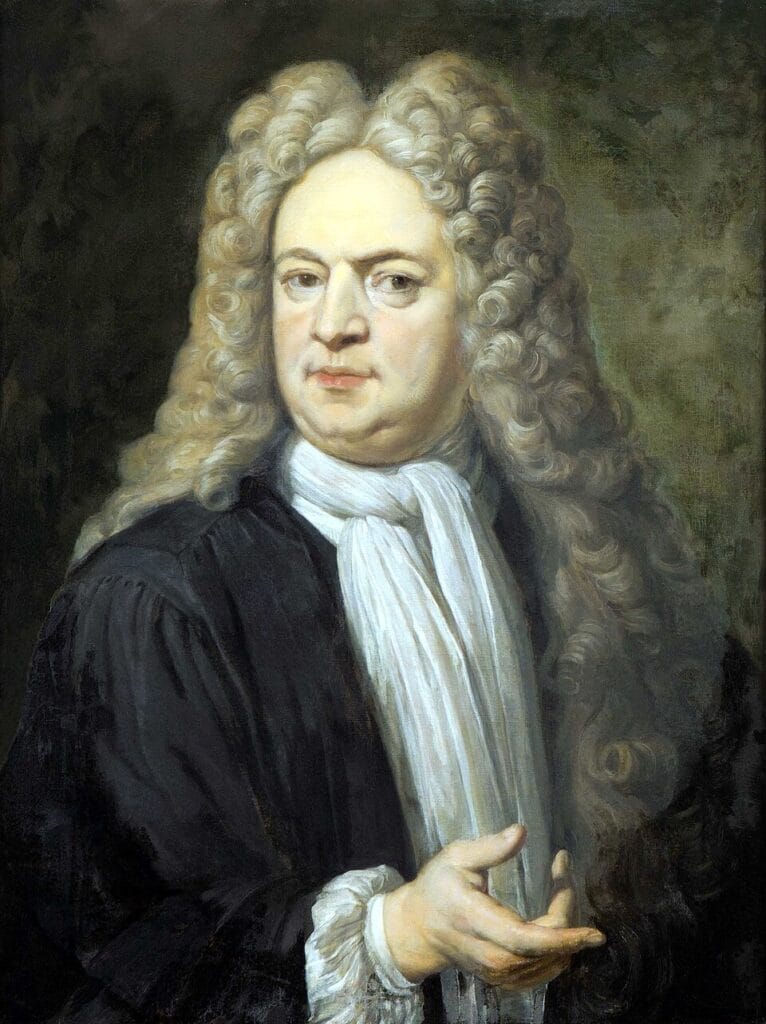
Johann Jakob Rau, latinized to Johannes, was one of the most influential surgical innovators of early modern Europe, best known for transforming the treatment of urinary bladder stones through his lateral lithotomy technique. Born in 1668 in Baden-Baden, he was the son of wine merchant Johannes and Magdalena Muller. His early exposure to medicine came through apprenticeships because, like most surgeons of his time, he began his training as a surgical apprentice rather than attending a university medical school. He worked first with a surgeon in Strassburg or possibly Regensburg, and later with another surgeon in Bergen, Norway. After serving on a naval ship, he studied surgery in Leiden and Paris, then defended his doctoral dissertation in 1694, marking his transition from apprentice to practitioner and academician.
Moving subsequently to Amsterdam, he worked alongside the renowned anatomist Frederik Ruysch in an environment rich in anatomical research and surgical experimentation that proved fertile ground for his most significant contribution: a new method of lithotomy, the surgical removal of bladder stones.
At the time, lithotomy was a dangerous and secretive procedure. Surgeons guarded their methods closely, and their reputation rose or fell depending on how successful they were in the operating room. Rau developed a lateral approach to the bladder, which proved to be safer and more effective than existing techniques. His method displaced that of the itinerant French lithotomist Jacques Beaulieu (“Frère Jacques”), whose approach had been widely used but criticized for its risks.
Rau’s technique spread rapidly across Europe. The influential surgeon Lorenz Heister learned and disseminated it, helping to establish Rau as the leading lithotomist of his generation. Rau became increasingly famous, and in 1713 was appointed professor of anatomy and surgery at the University of Leiden, one of Europe’s most prestigious medical teaching institutions.
His lectures were exceedingly popular at a time when the reputation and quality of the teaching had declined because the previous incumbent, Govard Bidloo, was frequently absent because of duties at court and elsewhere. In 1716, however, Rau had to reduce his teaching activities following an incapacitating accident. He died in 1719, remembered as a pioneer in his specialty and an advocate of surgery as a disciplined academic enterprise.