
Siberia is a vast expanse of forests, tundra, and remote settlements that covers 5.1 million square miles of land and stretches from the Urals to the Pacific and from the Arctic to the southern steppes. It encompasses roughly 77 percent of Russia’s territory but remains sparsely populated. Approximately 36 million people reside in Siberia, primarily in urban areas, particularly in cities along the Trans-Siberian Railway. The climate is unfavorable, as temperatures in winter can plunge below -40°F, while in summer, they may rise above 86°F.
The Russian conquest of Siberia was a lengthy process of eastward expansion that primarily occurred from the late 16th to the mid-18th century. The conquest is traditionally dated to 1581, when the Cossack leader Yermak Timofeyevich defeated the Khanate of Sibir, a loose Turkic-Tatar state in Western Siberia. Following this event, Russian explorers (mostly Cossacks, trappers, and traders) moved rapidly across the territory. They traveled along the great Siberian rivers, Ob, Yenisei, and Lena. The wealthy Russian Stroganov merchant family often financed these early expeditions. Driven by the quest for valuable “soft gold” (furs, especially sable), this acquisition transformed Russia into the largest country in the world. The conquest was often resisted fiercely and led to the subjugation and displacement of many indigenous Siberian groups.1,2 Moreover, the arrival of Russians introduced new diseases such as smallpox, which drastically reduced native populations, in some cases by as much as 80%.
Currently, life in the main large cities in Siberia (Novosibirsk, Omsk, Krasnoyarsk, Irkutsk, and Tomsk) resembles that of cities elsewhere, with theaters, museums, and modern conveniences. Elsewhere, the harsh climate creates unique problems. Frostbite and hypothermia are common. Some areas can only be reached by river or air. Primary medical care depends on feldshers with limited training, inadequate specialist support, and antiquated equipment. The vastness of the territory, the harsh climate, and the scattered population make public health measures and secondary healthcare equally problematic. Tuberculosis remains rampant, especially in prisons, and recently, some dangerous drug-resistant organisms have caused outbreaks. Alcoholism is highly prevalent and so is smoking. There is an incidence of 45% of hypertension, and heart disease is the leading cause of death. There is also a persistent shortage and uneven distribution of medical personnel. Qualified doctors and mid-level practitioners are heavily concentrated in larger cities, leaving rural and remote areas with severe deficits. Many regional healthcare facilities struggle with a shortage of essential medicines and often operate in dilapidated buildings. Harsh winters also exacerbate seasonal spikes in heart attacks and strokes. Compared to other parts of Russia, the Siberian regions are believed to have a higher prevalence of unmet healthcare needs.
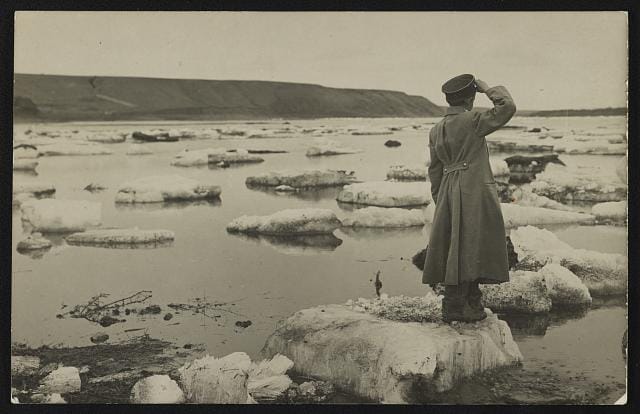
Modern urban Siberia, however, has made much progress. It is now home to several renowned medical centers and universities. The major cities host universities, research institutes, and theaters. The Trans-Siberian Railway facilitates growth, linking Siberia to European Russia and East Asia. Medical education in these cities produces physicians who serve both regional hospitals and remote clinics. Novosibirsk and Tomsk Universities are leading institutions that train doctors and conduct research in oncology, cardiology, and nuclear medicine, as well as pioneer studies on cold adaptation. Traditional Siberian medicine also remains of interest. It is known that pine needles and birch buds provide essential vitamin C; fermented berries and sea buckthorn oil supply antioxidants and essential fatty acids; chaga mushroom, found on birch trees, is used as a tea or tonic or for digestive and immune disorders; and Rhodiola rosea has long been used by herders and hunters to combat fatigue and cold stress.
Ultimately, Siberia is more than a frozen wilderness. It is a region that tests the resilience of the human race, where shamans coexist with the most advanced modern medicine, and where scientific laboratories conduct studies at the edge of human endurance. It is a story of adaptation and innovation, of resilience born from necessity against isolation, huge distances, a harsh climate, and administrative neglect.
Further reading
- Dunea G. Thomas De Quincey and the Sisters of Sorrow. Hektoen International Spring 2025. https://hekint.org/2025/04/21/thomas-de-quincey-and-the-sisters-of-sorrow/
- Verne J. Michael Strogoff: The Courier of the Czar, or from Moscow to Irkutsk. 1893. Available on Project Gutenberg.