
The deaths of John Keats, Percy Bysshe Shelley, and Lord Byron, all occurring within five years of each other, form a tragic trilogy in the history of English Romantic poetry. Each died young, and their ends reflect the turbulence, idealism, and fragility that marked their youthful spirits as well as an era in English poetry.
John Keats (1795–1821): Death from tuberculosis
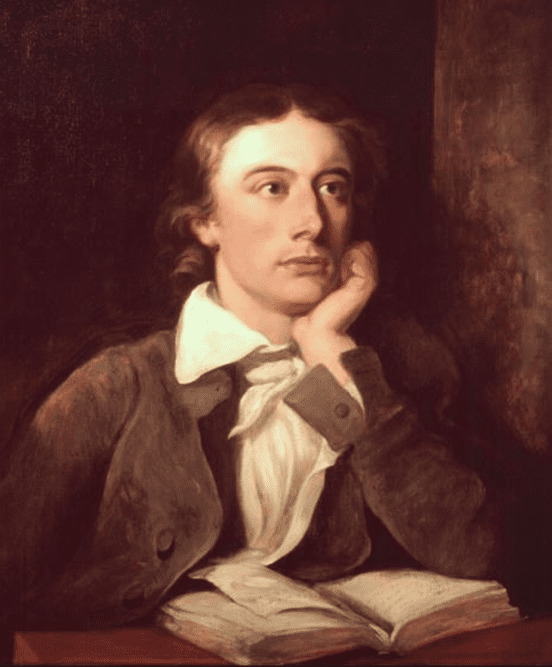

John Keats died at the age of 25 from pulmonary tuberculosis, a common and largely untreatable condition at the time. The disease had already claimed his mother and younger brother, Tom. Keats had nursed Tom through his final months, likely exposing himself to the infection. He had studied medicine at Guys Hospital in London, and until the early summer of 1816, he did so well that he was promoted to “dresser” unusually quickly. His duties involved dressing wounds daily to prevent or minimize infection, setting bones, and assisting with surgery. In July 1816, Keats took and passed the examinations that allowed him to practice surgery. By 1817–1818, he decided not to pursue a medical career but to devote himself to poetry and writing. In 1820, he developed a cough, fever, night sweats, and spitting of blood. He was acutely aware that his poetic career was being cut short just as it had reached its peak with works such as “The Eve of St. Agnes”, “Lamia”, and his great odes.
As his health was declining rapidly in London, he decided to go to Italy, accompanied by his friend Joseph Severn, hoping the warmer climate would cure him. By the time he arrived in November 1820, the disease was advanced. Living bedridden in a small apartment near the Spanish Steps, he witnessed the gradual worsening of his symptoms. His weakness progressed, he lost weight, and he became increasingly short of breath. His doctors tried bleeding and starvation diets—common treatments at that time—but they were ineffective. On February 23, 1821, Keats died in Severn’s arms. His gravestone in Rome features the epitaph he requested: “Here lies one whose name was writ in water.”
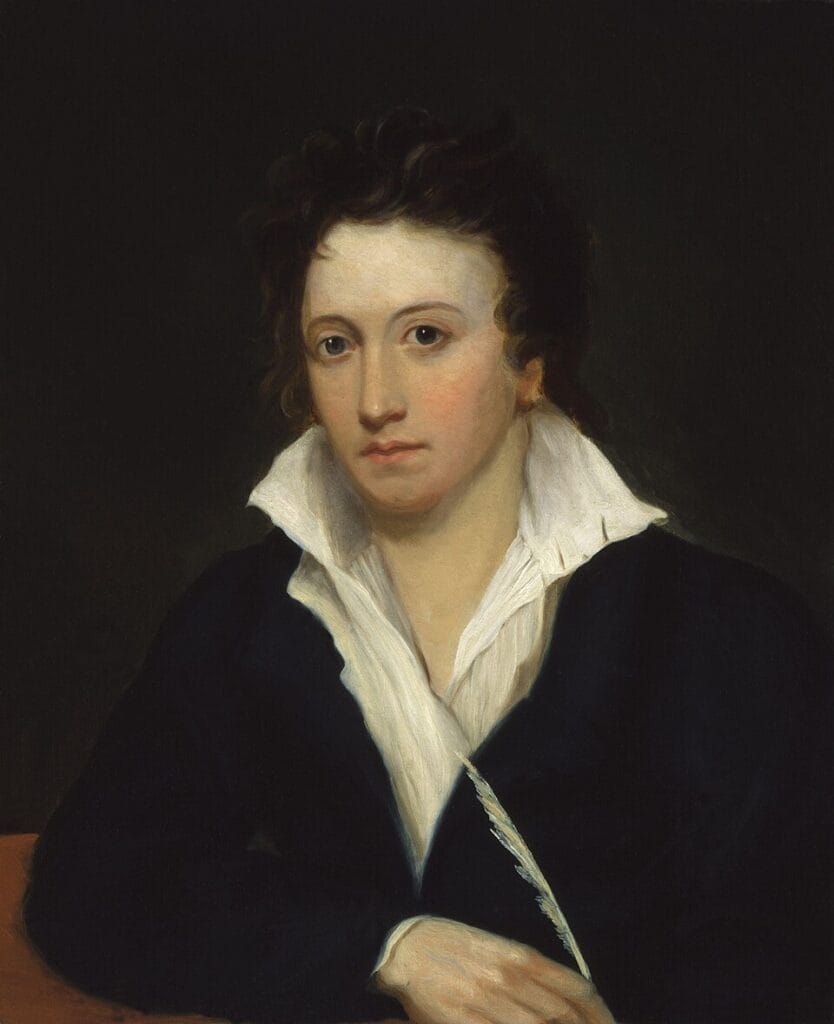
Percy Bysshe Shelley (1792–1822): Drowned in Italy
Percy Shelley, political radical and successful Romantic poet, died in a maritime accident at age 29. His death was as sudden and dramatic as his life had been turbulent. He was living in Italy with his wife, Mary Shelley, the author of Frankenstein, and was sailing along the Ligurian coast. On July 8, 1822, he was visiting fellow poets Leigh Hunt and Byron at Livorno to discuss their new literary journal, The Liberal. Despite being a poor swimmer, he refused to be deterred from sailing in rough weather, and he set sail for home aboard his schooner, the Don Juan. A sudden summer storm struck the Gulf of Spezia, overtaking the vessel and resulting in the loss of all hands on board.
Ten days later, Shelley’s body washed ashore near Viareggio. Italian quarantine laws required that the body be cremated on the beach. The event was attended by Byron, Hunt, and Edward Trelawny. Trelawny preserved Shelley’s heart, which had allegedly survived the flames, and he prevented Byron from taking his skull as a memento. This dramatic funeral pyre seemed fitting for a poet who had written about revolutionary fire. He was buried in the Protestant Cemetery in Rome, not far from Keats’s grave. His death—swift and violent in the embrace of the sea—has been seen by many as an echo of his restless, troubled life.
Lord Byron (1788–1824): Death from typhoid
.jpg)
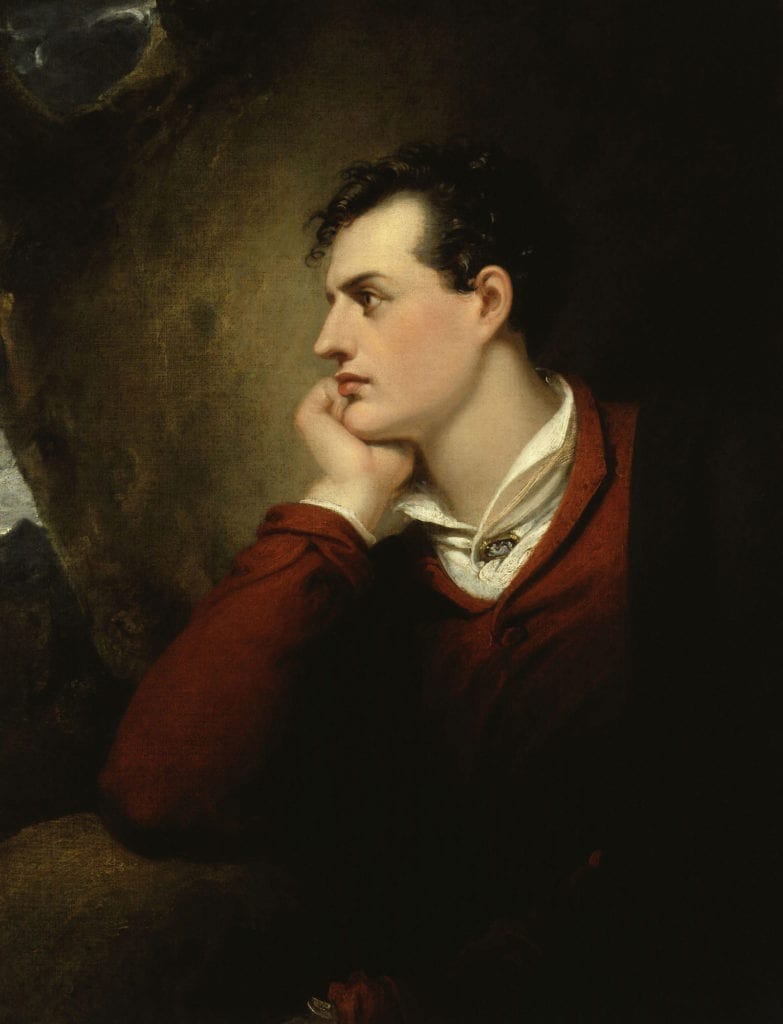
George Gordon, Lord Byron, the most famous Romantic poet of his age, died at 36 in Missolonghi, Greece, from typhoid fever and medical mismanagement. He had sailed to Greece in 1823 to support the War of Independence against Ottoman rule, using his wealth and fame to aid the Greek cause. He financed ships and troops, attempted to unite the fractious Greeks, and was preparing himself to lead forces against the Ottomans. His presence inspired the Greek combatants and drew international support to their cause.
In the spring of 1824, while preparing for a military campaign, Byron fell ill, likely from typhoid or perhaps malaria. He underwent heavy bleeding and purging, in line with contemporary Galenic theory but generally harmful in practice. After weeks of improvement and relapse, his fever worsened, and he died on April 19, 1824. The news of his death created a sensation. He was mourned as a champion of liberty. His body was returned to England. He was not permitted to be buried in Westminster Abbey and was instead interred in the family vault located in Nottinghamshire.
Conclusion
The tragic deaths of Keats, Shelley, and Byron illustrate an age when infectious diseases were common but largely untreatable, travel was very often dangerous, and medical treatment was unhelpful and usually worse than the disease. The fates of these three foremost Romantic poets have become, over time, part of the mythology of the Romantic movement itself: brilliant, rebellious, classically oriented, and important to the development of English literature and of the language itself.