
Nicolas Robles
Arturo Benegasi
Jose Marín
Badajoz, Spain

Tobacco (Nicotiana tabacum) is a plant whose leaves contain high levels of nicotine, a highly addictive stimulant. Spaniards brought tobacco to Europe in the fifteenth century from the Antilles in the Caribbean, where it was smoked in traditional ceremonies by native populations. Its consumption spread rapidly throughout Europe, despite the fact that in some countries, such as Turkey, it was banned under penalty of death. However, tobacco use continued, even becoming rationed and an expected supply item for soldiers in the two World Wars.
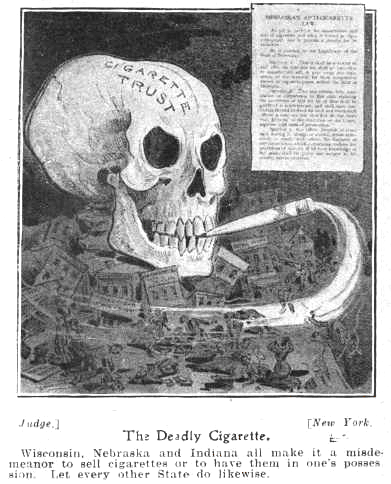
Nicotine alters the brain’s reward circuits and generates physical and psychological dependence. Puritans in England said that nonmedical use and dependence on daily tobacco smoking were signs of a weak and immoral character. But for many years, tobacco was also proposed as a therapeutic panacea for a variety of different diseases.
Many people gain weight when they quit smoking. Tobacco works as an appetite suppressant by activating neurons in the hypothalamus that generate feelings of satiety. Smoking also increases resting metabolism by 7% to 15%, burning extra calories. Therefore, when quitting smoking, metabolism normalizes and appetite increases, and, consequently, so does weight.1
Today, many people die from diseases that arise from eating too much food. But this has not been the situation throughout most of history. During times of food scarcity, tobacco was likely used as an appetite suppressant. Anti-smoking policies have reduced tobacco consumption in many countries, although in an uneven way, since smoking remains more common among populations of people who have lower incomes. It is worth asking whether a relative abundance of food has contributed to a decrease in smoking.
Reference
- Audrain-McGovern J, Benowitz NL. Cigarette smoking, nicotine, and body weight. Clinical Pharmacology and Therapeutics 2011;90:164-8.
NICOLAS ROBERTO ROBLES is a full professor of Nephrology at the University of Extremadura (Badajoz) and member of the Academy of Medicine of Extremadura.
ARTURO BENEGASI is President of the Association of Veterinarian History of Extremadura.
JOSE MARÍN is President of the College of Veterinarians of Badajoz.