
Prasad Iyer
Singapore
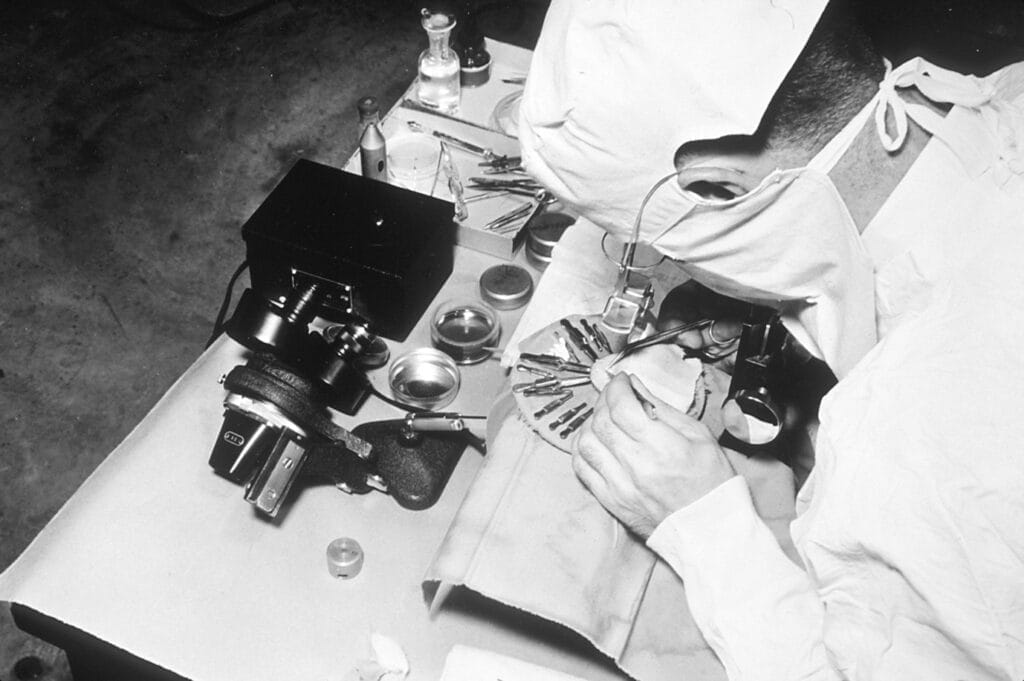
Medical breakthroughs often arrive not with a fanfare of logic, but with the quiet, baffling persistence of a laboratory anomaly that refuses to be ignored. In 1953, the laboratories of Cornell University Medical College operated in a world away from the high-stakes precision of modern oncology. Dr. John Kidd was not hunting for a cure for cancer; he was hunting for antibodies. In a series of experiments that would now be considered almost whimsically archaic, Kidd was injecting various animal sera into mice carrying transplanted lymphomas. He tried horse serum; he tried rabbit serum. The tumors marched on, indifferent and lethal.
Then came the guinea pig.
When Kidd injected the serum of Cavia porcellus, the results were nothing short of biblical. The massive, stony lymphomas did not just shrink; they melted. Within days, the mice were clean. Kidd published his findings in the Journal of Experimental Medicine, describing the “marked effects” with the restrained prose of a mid-century scientist, yet the medical community remained largely baffled. Why did the blood of a common pet possess a power that the blood of a horse did not?
For nearly a decade, the “guinea pig factor” remained a biological ghost story. It was not until 1961 that John Broome, then a young researcher, unmasked the specter. The “magic” wasn’t an immune response or a mysterious antibody. It was an enzyme: L-asparaginase.
The elegance of the discovery lay in its metabolic cruelty. Broome realized that while normal, healthy cells possess the internal machinery to manufacture their own supply of the amino acid asparagine, certain malignant lymphoblasts are genetically “broken.” They are metabolic parasites, incapable of making their own asparagine and entirely dependent on the circulating supply in the host’s blood.
By injecting asparaginase, Kidd had been performing a microscopic scorched-earth campaign. The enzyme roamed the bloodstream, systematically destroying every molecule of asparagine it encountered. The healthy cells, unfazed, simply turned on their internal taps and kept growing. The leukemia cells, however, suddenly found the pantry bare. They starved to death in a sea of plenty.
This was the birth of the “Achilles’ heel” strategy in oncology—the realization that we did not always have to poison cancer; we could simply withhold its dinner.
The transition from the lab to the bedside was a frantic, international relay race. In the mid-1960s, researchers discovered that Escherichia coli could be harnessed to produce the enzyme in massive quantities, bypassing the need for an endless supply of guinea pig blood. By 1967, the first pediatric patients were receiving the “guinea pig’s gift.” In an era where the diagnosis of acute lymphoblastic leukemia (ALL) was effectively a death certificate, asparaginase became a cornerstone of the protocols that would eventually push cure rates toward 90%.
Today, the modern oncologist handles asparaginase with a mix of reverence and caution. We deal with the fallout of its success—the hypersensitivity reactions and the complex pharmacology of pegylation. But every so often, when standing at the bedside of a child whose bone marrow is finally clear of blasts, it is worth remembering the 1950s mystery. We owe our modern triumphs to a curious doctor, a metabolic glitch, and the humble serum of a guinea pig that held a secret it had no business keeping.
References
- Kidd, JG. (1953). Regression of transplanted lymphomas induced in vivo by means of normal guinea pig serum. Journal of Experimental Medicine, 98(6), 565–582.
- Broome, JD. (1961). Evidence that the L-asparaginase activity of guinea pig serum is responsible for its antilymphoma effects. Nature, 191, 1114–1115.
- Broome, JD. (1981). L-Asparaginase: The evolution of a new therapeutic agent. Cancer Treatment Reports, 65 Suppl 4, 111–114.
- Mashburn, LT & Wriston, JC. (1964). Tumor inhibitory effect of L-asparaginase from Escherichia coli. Archives of Biochemistry and Biophysics, 105(2), 450–452.
PRASAD IYER, MD, FRCPCH, PhD, is a pediatric hematologist-oncologist. He is an amateur poet who is taking his first steps in writing poems. He grew up in India and trained in pediatrics and oncology in the United Kingdom. He believes he is a child of the world and loves to spend time traveling with his family. He currently lives in Singapore.